
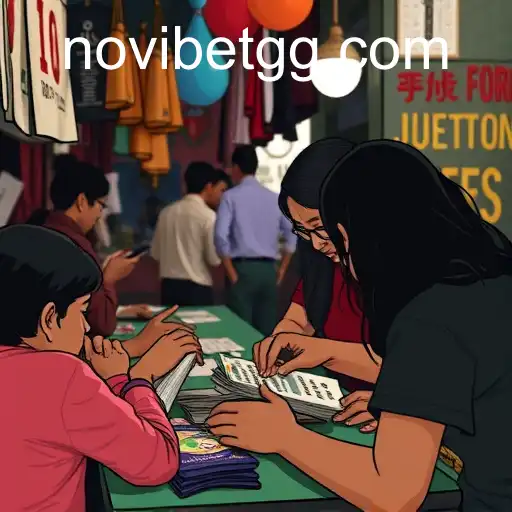

The Prevalence of Jueteng: A Deep Dive into a Persistent Phenomenon
Jueteng is a popular numbers game, steeped in a complex tapestry of historical, socio-cultural, and economic dimensions. Despite its unlawful status, this form of gambling continues to thrive under the radar, drawing in countless participants and generating substantial revenue for its operators.
Understanding Jueteng: Origins and Mechanics
The roots of Jueteng can be traced back to the Spanish colonial period in the Philippines. Originating from the Chinese characters “hu” (flower) and “teng” (bet), the game has evolved into a staple passtime for many Filipino communities. The game involves selecting a combination of numbers and betting on the outcome, with the winning numbers determined by a draw.
While the mechanics of Jueteng are deceptively simple, the network that sustains it is intricate. The game relies on multiple tiers of personnel, from bet collectors, known as kubradors, to administrators who oversee operations. This complexity not only aids its persistence but also creates opportunities for significant profits.
The Social and Economic Impacts of Jueteng
Despite being illegal, Jueteng remains a compelling option for many. The allure is straightforward: low stakes and the potential for high returns. For many in economically disadvantaged situations, it offers a tantalizing glimmer of hope. However, the social implications are profound, with households often siphoning off scarce resources with little return.
On a broader economic level, Jueteng becomes a parallel economy. The funds generated skirt formal taxation, depriving local governments of potential revenue that could be used for community improvements. Moreover, the funds often find their way into the coffers of corrupt officials, perpetuating a cycle of graft and inefficiency.
Legal Challenges and Attempts at Regulation
The government's stance on Jueteng has been one of continual conflict. Despite numerous attempts to curb its spread through raids and the apprehension of operators, the game continues to elude definitive control. The issue is compounded by the game's deep integration into the fabric of local culture and the porous nature of law enforcement channels.
Efforts to legislate against Jueteng have met with limited success. The complexities of dismantling such an expansive network are immense, often hindered by lack of resolve and political will. Proposals to legalize and regulate it, akin to state lotto systems, stir intense debate, highlighting the divisive nature of gambling within Philippine society.
The Role of Corruption in Sustaining Jueteng
Jueteng thrives in environments characterized by weak governance and institutional corruption. Its tentacles extend into political realms where securing protection from prosecution becomes yet another cog in its operational machine. Officials may turn a blind eye, either due to bribery or due to their own vested interests in the proceeds.
This entrenched culture of corruption undermines public trust in law enforcement and governance. It perpetuates a narrative where illegal activities are perceived as gelato offerings, simultaneously sweet and transitory, with few perceivable consequences.
Technology and Jueteng: The Advent of Online Gambling
The advent of technology and online betting platforms like 55c.bet are changing the landscape of traditional gambling spaces. By offering digital alternatives to physical betting, such platforms expand the reach of gambling operators. This shift could either signal further entrenchment of Jueteng in the digital arena or a step towards modernization in regulation and oversight.
However, while digital platforms present new opportunities, they also pose regulatory challenges. These include jurisdictional disputes over enforcement, the anonymous nature of online transactions, and ensuring that platforms adhere to legal betting limits.
Community Perceptions and the Future of Jueteng
Within many communities, Jueteng holds a paradoxical role. It is simultaneously vilified and culturally accepted, a reflection of broader societal attitudes toward gambling. As local economies fluctuate, the persistent allure of a proverbial “lucky break” ensures Jueteng's continuance as both a social fixture and a political lightning rod.
The future of Jueteng seems to hinge on several factors: the potential for successful legislation and regulation, community education, and broader economic opportunities that negate the need for gambling reliance. As debates continue, stakeholders face the challenge of balancing cultural acceptance with legal integrity.